How Setting Shapes Emotion: The Magic of Lijiang in Fiction
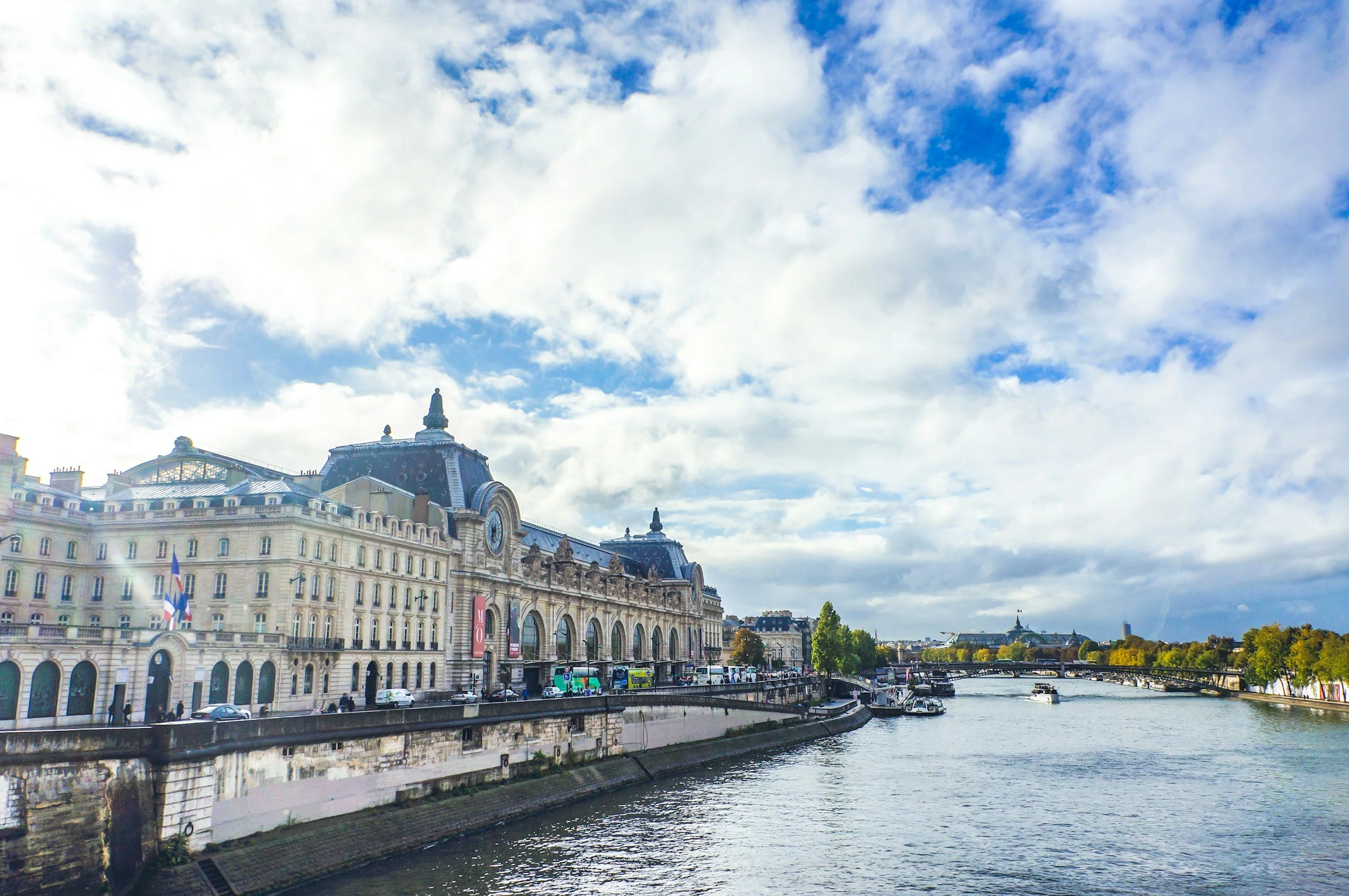
Some places don’t just serve as backdrops—they become characters in their own right.
Setting isn’t merely scenery. It’s emotional atmosphere. It’s memory. It’s energy. It’s the unspoken force shaping every character and every moment.
And for Love in Lijiang, the setting is the beating heart of the story.
Lijiang—with its snow-capped mountains, lantern-lit alleys, drifting canals, centuries-old bridges, and rich Naxi culture—is not just a place. It’s an emotional landscape. A spiritual space. A quiet refuge where wounded hearts begin to feel again.
This ancient city became the soul of the novel for a reason.
Let’s explore why setting matters so deeply in emotional storytelling—and why Lijiang, in particular, holds such narrative power.
Setting Creates Mood and Atmosphere
Every story lives and breathes through its setting.
A place like Lijiang instantly evokes:
serenity
mystery
nostalgia
cultural depth
emotional reflection
Readers often fall in love with fiction because it transports them—not just physically into another world, but emotionally into another state of being.
And Lijiang has that rare ability.
Its narrow stone streets feel like invitations to slow down.
Its flowing canals reflect lantern light in ways that make you want to stay still and breathe.
Its ancient architecture whispers stories of resilience, beauty, and time.
Its mountains stand like guardians—protective, quiet, eternal.
This is why “transport novels”—books that make readers feel like they’re walking through the scenes—are the ones we remember the longest.
Lijiang isn’t just picturesque.
It’s globally recognized for its cultural and historical importance.
According to UNESCO’s World Heritage Centre, the Old Town of Lijiang is listed as a World Heritage Site for its unique integration of waterways, mountain surroundings, and traditional Naxi architecture that together form an “outstanding example of an urban landscape” shaped by diverse cultures over centuries.
This blend of beauty, history, and cultural memory creates a world where healing feels possible—a perfect emotional cradle for Siyu and Richard’s story.
Lijiang Reflects the Inner World of the Characters
One of the most powerful functions of setting is symbolism.
The environment mirrors the emotional journeys unfolding within the characters.
In Love in Lijiang:
Siyu
— born into poverty
— carrying the weight of responsibility
— longing for something more
She is shaped by the quiet resilience woven through Lijiang’s people and history.
Richard
— betrayed
— heartbroken
— seeking clarity and peace
He finds in Lijiang a space where noise fades and stillness rises.
Setting becomes metaphor:
The bridges → connection, courage, transition
The mountains → strength, perspective, protection
The lanterns → guidance, hope, illumination
The old town → memory, identity, resilience
In this way, Lijiang becomes more than a backdrop—it becomes a reflection of the characters’ inner lives.
When Siyu walks through the morning mist, it symbolizes her uncertainty and her quiet courage.
When Richard stands on a bridge at dusk, it symbolizes the crossroads of his past and the possibility of his future.
Setting becomes emotion.
Setting becomes character.
The Magic of Cultural Texture in Storytelling
Readers often say that what they love about Love in Lijiang isn’t just the romance—it’s the immersion into another culture.
The Naxi traditions, the historical architecture, the food, the landscapes, the sounds of street musicians, the lantern festivals, the spiritual history… all of these elements create layers of meaning.
Cultural setting deepens fiction by:
✨ grounding characters in real traditions
✨ giving emotional stakes cultural weight
✨ enriching the sensory experience of the story
✨ helping readers connect to a world beyond their own
When settings are rooted in authentic culture, stories gain emotional depth and truth. They feel lived-in rather than imagined.
And Lijiang—with its mingling of ancient traditions and quiet modern life—provides the perfect cultural canvas.
Setting Shapes the Emotional Pace of the Story
Fast-paced cities create fast-paced decisions.
High-pressure environments create high-pressure emotions.
But a place like Lijiang?
It invites slowness.
It encourages reflection.
It nurtures quiet connection.
It allows characters—and readers—to breathe.
This slower rhythm mirrors the slow-burn romance between Siyu and Richard—intentional, thoughtful, and heartfelt.
Their love unfolds the way a lantern warms into full glow: gentle, unhurried, steady.
This emotional pacing transforms the story from plot-driven to heart-driven.
Why I Chose Lijiang as the Heart of This Story
As someone who splits his time between China and New York, I’m no stranger to contrast.
New York is all movement—subways, ambition, reinvention, pressure.
China, especially regions like Lijiang, embodies presence—heritage, stillness, reflection, ritual.
When I first visited Lijiang, I knew instantly:
“This is where a love story begins.”
There’s something in the air there—an emotional quiet that makes you pay attention to the little things.
A look.
A gesture.
A shared silence.
A moment when the past loosens its grip just enough for the heart to open.
I wanted to write a story that carries that feeling: a soft, warm emotional landscape where healing feels inevitable.
Lijiang became the only place Siyu and Richard’s love could have blossomed.
Want to Experience Lijiang Through Story?
If you want to disappear into lantern light, mountain air, quiet canals, and a romance built on gentle transformation…
Read Love in Lijiang and step into a world of healing, beauty, and emotional depth.
And if you’d like to receive updates on Book Two—where Richard and Siyu’s journey continues—join the email list for behind-the-scenes notes, travel inspirations, and free chapters.
Lijiang has more stories left to tell.
And this is only the beginning.